
Retail shopping journeys don’t happen in one place anymore. Many buyers discover products on Instagram, TikTok, and Shop - then switch to a brand’s website when they’re ready to compare, validate, and purchase. This guide breaks down eight social commerce tools that help brands close that gap, whether you’re selling directly inside social platforms or bringing a social-style shopping experience to your storefront.
8 Best Social Commerce Tools for E-Commerce Brands
Whether you’re juggling commerce across social platforms or trying to recreate that scroll-and-shop experience on your own site, these eight tools cover the most common conversion challenges - from shoppable video to UGC workflows and social selling operations.
1. Tolstoy
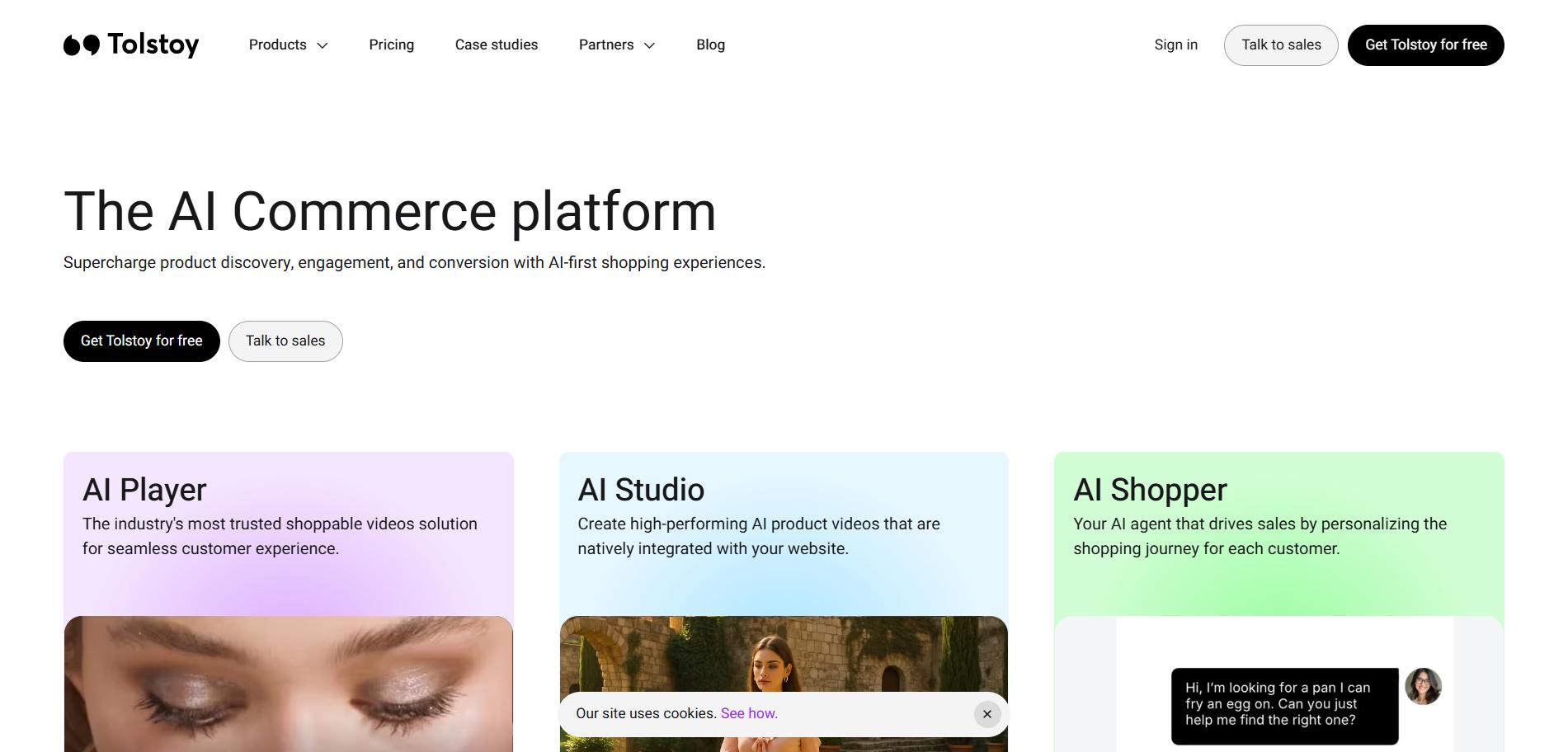
Tolstoy helps e-commerce brands turn social-style video into shoppable storefront experiences, while also supporting content creation workflows through its AI product suite. With AI Studio, teams can generate product visuals and video variations faster using templates and chat-based creation, including bulk workflows designed for catalogs.
Those AI-generated assets can then be published directly into Tolstoy’s shoppable video formats and paired with AI Sales Agent experiences, creating a closed loop between content creation, discovery, and conversion.
On the onsite experience side, Tolstoy’s AI Player brings a social-style, swipeable video feed directly onto e-commerce sites, without impacting site speed. These shoppable video widgets are automatically distributed across product pages and collections, helping brands reduce friction between discovery and checkout while maintaining performance at scale.
2. Firework
Firework can help you distribute content across social media platforms like TikTok and Instagram. This tool allows you to turn your entire product catalog into high-quality videos from static images. This sort of bulk generating is best for stores with large catalogs and frequent seasonal drops. You can also add shoppable experiences to social media platforms with Firework.
3. Videowise
Videowise is an all-in-one video commerce platform known for automating UGC discovery and the bulk creation of shoppable content. With Videowise, you can create live video events across social media, mobile apps, and websites.
This tool also lets you sell simultaneously by broadcasting live streams. You can easily discover UGC videos on Instagram and TikTok and request their usage rights. Videowise lets users add shoppable videos in the Shop App and Tapcart as well.
4. Bambuser
Bambuser offers a video commerce solution for all roles, from developers to marketing teams to small-scale entrepreneurs. It’s an excellent tool for creating shoppable videos with the option to live-broadcast on the website, apps, and social channels. Bambuser is not just limited to fashion and beauty; it enables video commerce for diverse industries, including electronics, homeware, and retail.
5. Quinn

Quinn is a simple tool that lets you turn product videos into shoppable content, with its clean UX and seamless video playback. You can add a direct add-to-cart widget and clickable product cards to your videos. The platform offers fast load times and easy setup, making it ideal for teams with little to no coding experience.
It also transforms existing TikTok and Instagram video content into shoppable experiences on Shopify stores with 1-click import, customizable templates, advanced analytics, and hyper-fast delivery.
6. Emplifi
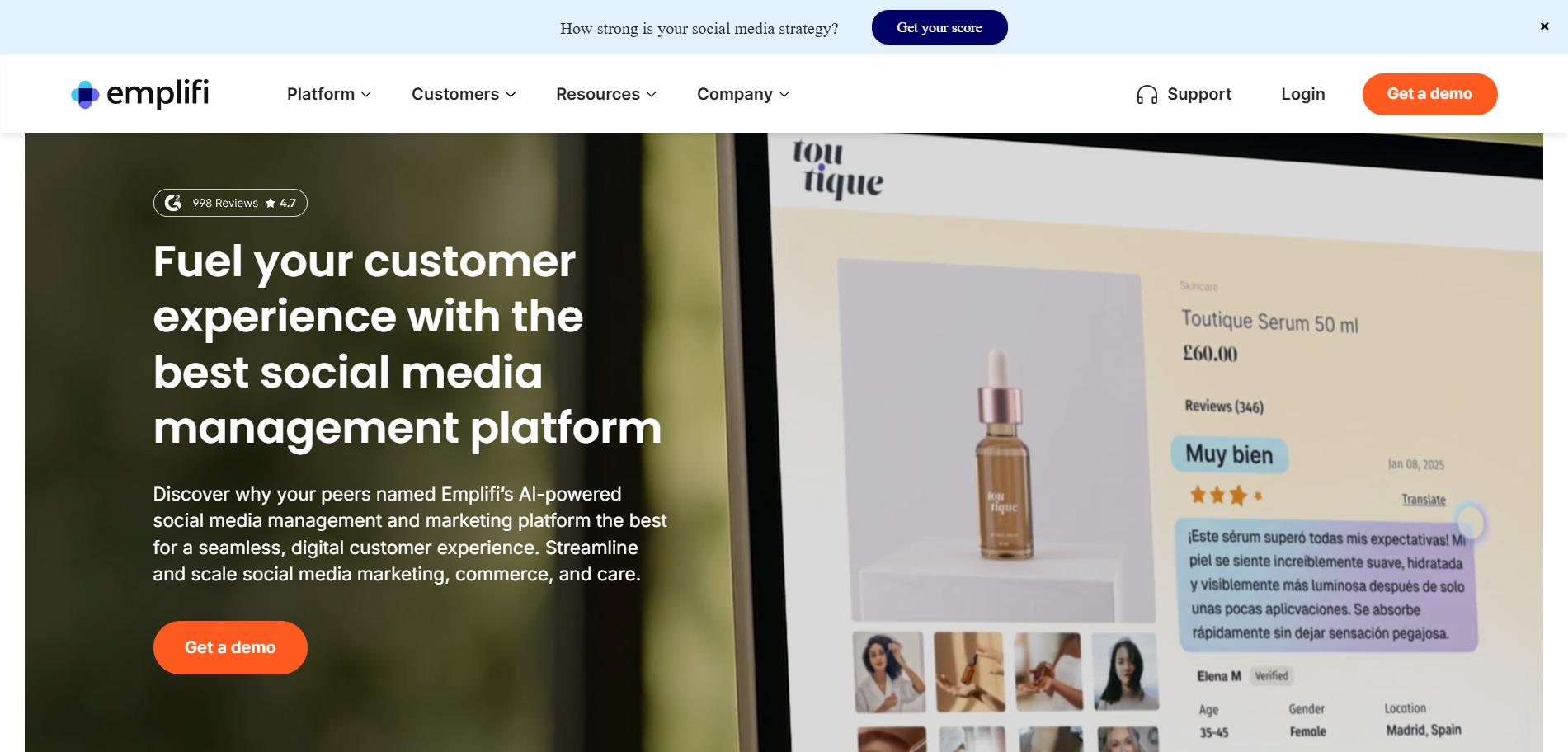
Emplifi is not just a social commerce tool; it has all you need for your social media management. Emplifi’s AI-powered visual search lets you automate product tagging and simplify your UGC content distribution. You can also collect and display high-quality product reviews, Q&As;, checkout comments, and seller ratings to boost your credibility and bring sales. Emplifi has great tools for discovering influencers and collaborating with them effortlessly.
7. Sprout Social
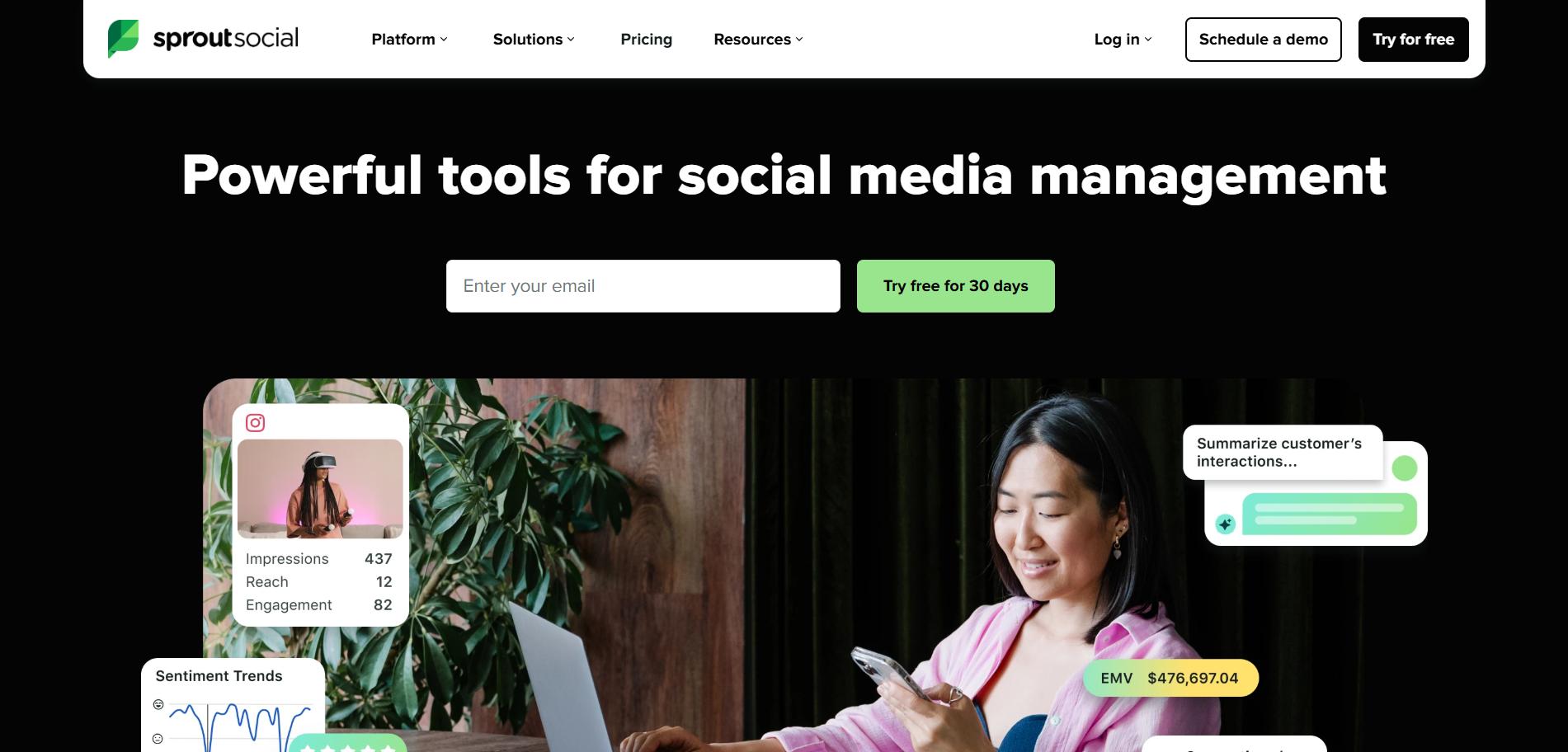
Sprout Social is the tool you need to manage all your social platforms under one dashboard. It enables users to plan and schedule content while leveraging AI to engage customers in your brand’s voice. This tool has industry-leading AI-powered influencer marketing tools that help you find creators by topic, verify if they align with your brand, and manage and measure campaigns with ease.
8. Instagram Shopping
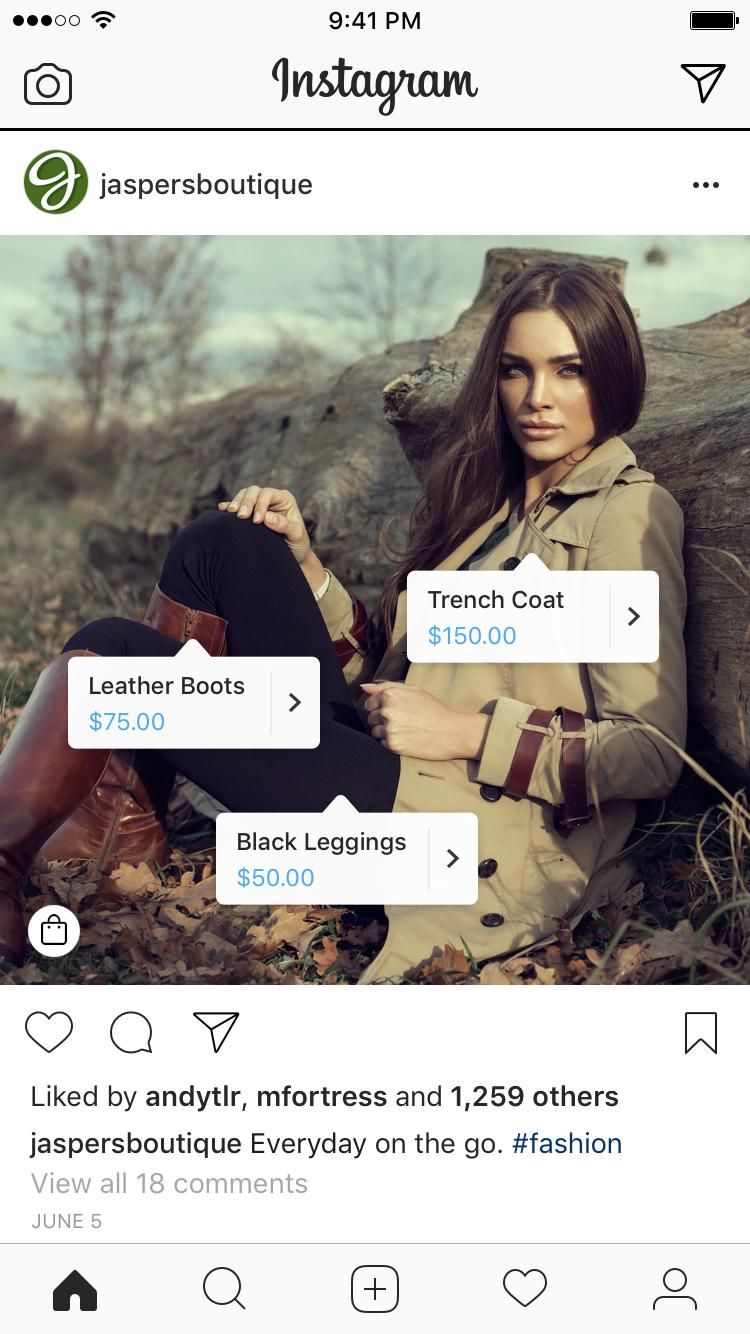
Instagram Shopping lets businesses tag products in posts and videos so their profile can function like a storefront. Shoppers can explore product details in-app and, depending on region and setup, either check out within Instagram or continue to the merchant’s website to complete the purchase.
Social Commerce Tools Comparison Table
This table offers a side-by-side view of the leading social commerce tools covered in this guide, highlighting what each platform is actually built to do. It’s designed to help you quickly compare core commerce capabilities, content workflows, and ideal use cases, so you can narrow down options before diving deeper into demos or trials:
| Tool | Primary Social Commerce Capability | Content & Commerce Capabilities | Best For |
|---|---|---|---|
| Tolstoy | AI-powered video creation, shoppable videos, integration with Shopify, TikTok Shop, and Shop | Create scroll-stopping ads, turn static images into videos, create on-model images, and generate content in bulk | Brands looking to scale shoppable video across their storefront, improve onsite conversion, and operationalize AI-powered product visuals |
| Firework | Bulk generation of high-quality videos from static images, shoppable content on social platforms | Bulk generation of videos from static images | Stores with large catalogs and frequent seasonal drops |
| Videowise | UGC discovery and bulk creation of shoppable content, live video events, and social media broadcasting | Live event video creation, bulk UGC discovery, shoppable video integration | Social media video commerce and UGC content creators |
| Bambuser | Shoppable videos, live broadcasts, support diverse industries (electronics, homeware, retail) | Live video creation, diverse industry support, and shoppable content integration | Small-scale entrepreneurs in diverse industries |
| Quinn | Turns product videos into shoppable content, an add-to-cart widget, and clickable product cards | Clean UX for product videos, add-to-cart widgets, seamless video playback | Teams with little to no coding experience |
| Emplifi | AI-powered visual search, product tagging, UGC content distribution, influencer collaboration | Visual search, automate product tagging, influencer discovery, and collaboration | Social media managers and influencers |
| Sprout Social | Social media management, AI-powered content scheduling, engagement, influencer marketing | AI-powered scheduling, influencer marketing tools | Social media marketing teams and brands seeking influencer campaign management |
| Instagram Shopping | Shoppable content from Instagram posts and videos, in-app checkout | Shoppable Instagram posts and videos | Businesses wanting to turn Instagram into a digital storefront |
Essential Features to Look for in Social Commerce Tools
Social commerce tools can take many forms, with diverse features. While social media engagement and shoppable content are necessary, some tools offer more than that. The best choice depends on where your buyers convert, and whether your biggest bottleneck is content production, product discovery, or onsite conversion. Here are the key capabilities to prioritize:
- Shoppable Video Feeds and Interactive Media: If you want to add a shoppable content experience across all social platforms with ease, look for tools like Tolstoy that let you turn your videos into shoppable content. Such tools may include automatic product tagging and the generation of shoppable content on a scale that you can deploy across multiple platforms.
- AI-Powered Product Discovery and Recommendations: Some tools leverage AI to help customers with product discovery and deliver personalized recommendations. Tolstoy, being one of those, lets you add an AI-powered shopping assistant to your Shopify and other stores, where customers can discover products and get recommendations based on their input through conversations.
- Native E-Commerce Platform Integrations: Prioritize tools that plug into the systems you already run - your e-commerce platform, product catalog, analytics stack, and support tools. If a platform can’t connect cleanly, you’ll end up rebuilding workflows (and losing speed) just to make the tool usable.
- Zero-Party Data Collection and Shopper Insights: Strong social commerce tools don’t just drive clicks; they help capture high-intent shopper signals that customers share willingly (like preferences, style goals, and fit needs). For example, Tolstoy’s AI Sales Agent is positioned around guided product discovery and sizing-style experiences so recommendations can feel more personal without forcing a rigid quiz flow.
- Built-In Analytics for Conversion and Engagement: Tools like Sprout Social, Tolstoy, and Videowise come with detailed analytics that track engagement and conversion across video, widget, page, and product levels, and can give you an idea of their impact on your conversion and engagement. Their analytics and reporting functionality are better than those of native platforms like TikTok and Instagram.
How to Choose the Right Social Commerce Tool for Your Brand
The tools in this list fall into three practical buckets. Social management suites (like Sprout Social and Emplifi) help plan, publish, and optimize social programs that influence conversion. Onsite experience platforms (like Tolstoy and other shoppable video tools) recreate social-style discovery on your storefront. And native social features (like Instagram Shopping) let you merchandise directly inside the platform.
Use the criteria below to match the tool to where your shoppers discover products, where they convert, and how much operational complexity your team can support:
| Criteria | Description |
|---|---|
| Identify Where Your Shoppers Discover Products | Find out where you encounter most customers, such as social media platforms or your website. |
| Decide Purpose:Platform-Native vs Onsite Social Commerce | Native tools operate within social apps (e.g., Instagram Shopping), while onsite tools (e.g., Tolstoy) bring social experiences to your e-commerce store. Choose based on whether you want the social experience within the social platform or your online store. |
| Evaluate AI Capabilities for Scale and Personalization | Consider having AI functionalities, such as personalized product recommendations, automatic tagging, and scalability. |
| Assess Ease of Setup and Content Distribution | Look for tools that offer easy setup and content distribution capabilities, such as no-code installation, one-click content distribution, and AI-powered content creation. |
| Match the Tool to Your Catalog Size and Growth Goals | If you have a large product catalog, select a tool that supports bulk content creation and can scale with your business. |
Why Tolstoy Leads the Next Generation of Social Commerce Tools
Several platforms here help brands distribute shoppable video and monetize UGC, but Tolstoy stands out by pairing onsite shoppable video with a dedicated AI creation layer (AI Studio) aimed at speeding up catalog-scale creative production. That combination can help teams that struggle with both sides of the problem: creating enough content and turning that content into onsite conversion.

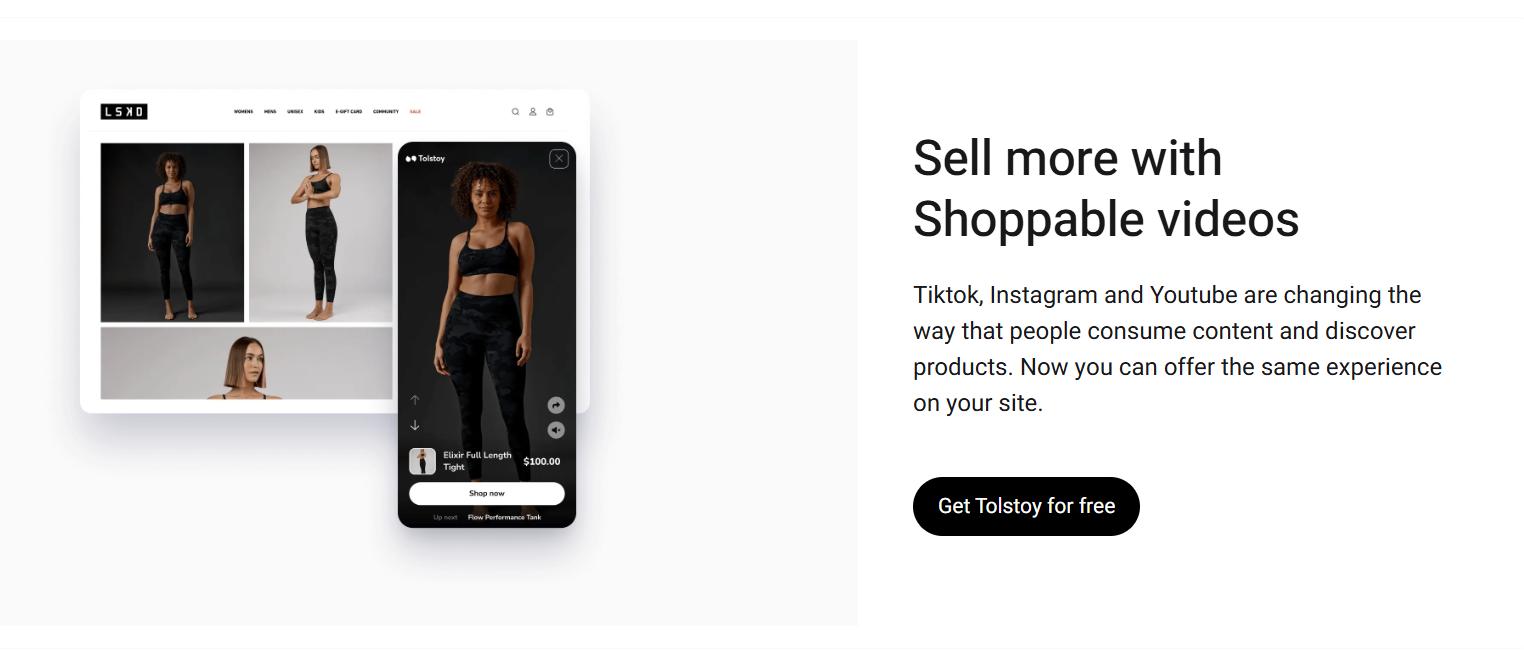
- Interactive Shoppable Video Feeds (AI Player) that Mimic Social Platforms: Tolstoy’s AI Player is designed to bring a social-style video feed to e-commerce sites, with formats like shoppable stories and video galleries that support product discovery and purchase flows.
- AI Sales Agent for Conversational Guidance to Distribute Content Features: Tolstoy’s AI Sales Agent is positioned as an always-on shopping assistant that guides discovery through a chat-style experience, with features like product Q&A;, recommendations, and “virtual try-on”-style flows (e.g., sizing and “complete the look” guidance).
- AI Studio for Automating High-Quality Creative and Product Visuals: Tolstoy’s AI Studio is positioned as a creative production layer for e-commerce teams, helping generate new product visuals and video variations through chat-based workflows, templates, and catalog-scale creation. It’s framed around producing more “ready-to-run” creative without relying on constant photoshoots, which can be useful when you need volume for ads, PDPs, and social placements.
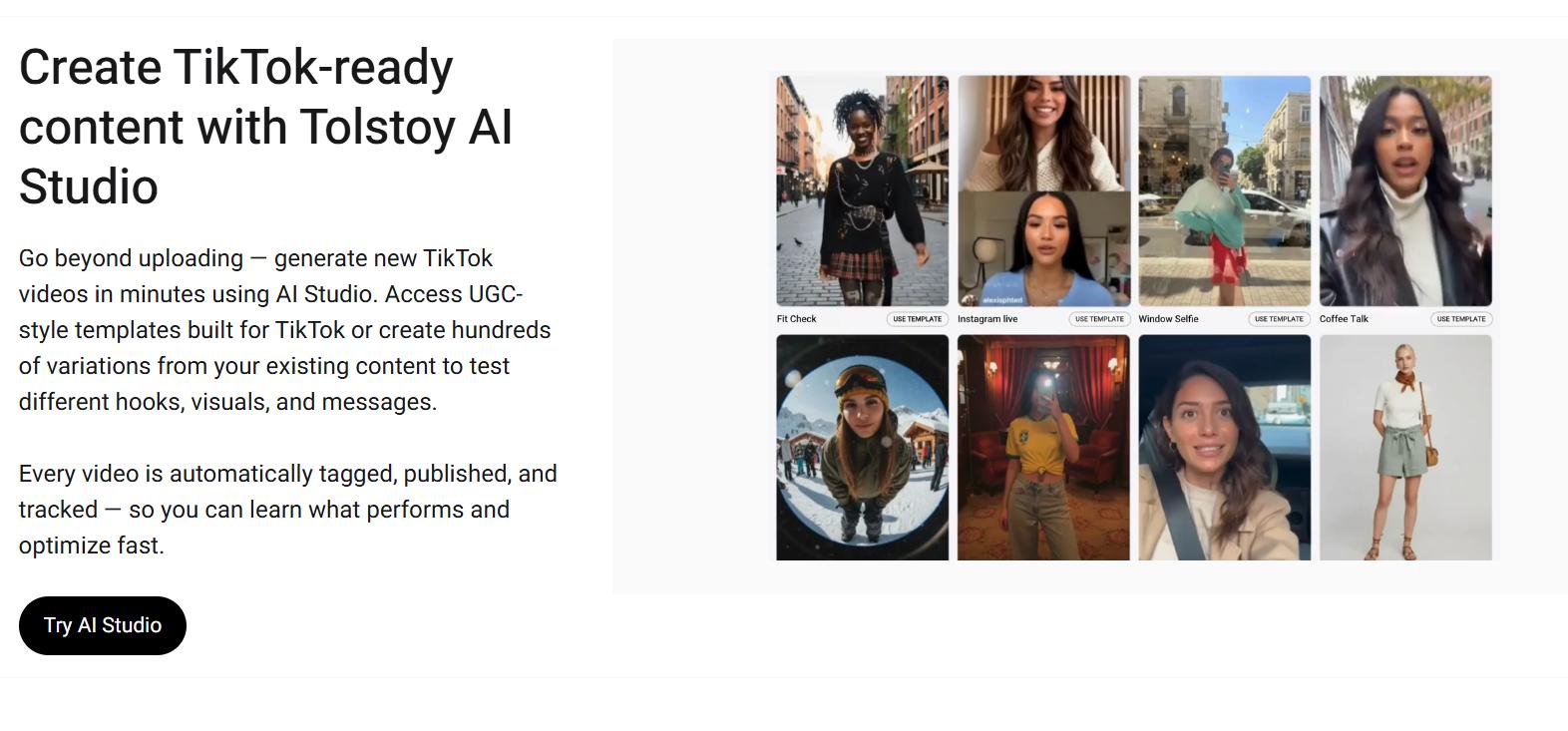
- Zero-Setup Integration with Shopify and Automated Page Distribution: Tolstoy is integration-ready with Shopify, requiring no coding or complex setup. It offers a seamless Shopify/CSV-integrated workflow that auto-pulls product images/data for bulk creation (up to 50 products), triggers automations on new additions, and direct publishing to Shopify media galleries or social channels without manual uploads.
To turn product content into social-ready shoppable creative, book a free AI Studio demo.
Conclusion
Social commerce is no longer just “selling on social” - it’s about reducing friction between discovery and purchase, wherever that journey starts. Some tools help brands run and optimize social programs, while others bring the scroll-and-shop experience onto the storefront to lift onsite conversion.
For teams that need both more content velocity and a more interactive onsite shopping experience, Tolstoy combines shoppable video formats with an AI creation suite, making it a strong option for brands trying to scale creative and conversion together.
Frequently asked questions
How should a growing brand decide between platform-native social commerce and onsite tools?
Brands should choose based on where conversion friction happens most, inside social apps or on their own storefront. Map your top discovery channels (e.g., Instagram, TikTok, Google) versus where purchases actually complete. Check drop-off points between social clicks and PDP or checkout. Prioritize onsite tools if validation and comparison happen on your site, not in-app. Use native tools only when in-app checkout is already a proven revenue driver. To understand how onsite social-style experiences close this gap, see how brands use interactive video for e-commerce storefronts .
What’s the fastest way to test whether shoppable video will lift conversion rates?
You can validate impact by launching a limited shoppable video placement on high-intent pages instead of redesigning the whole site. Add shoppable videos to top PDPs or best-selling collections only. Track add-to-cart rate and time-on-page against a control group. Monitor video engagement depth, not just clicks. Expand placement only after proving incremental lift. Explore further how shoppable videos improve customer experience .
How should teams measure ROI beyond likes and views in social commerce?
Meaningful ROI comes from tying engagement data directly to onsite conversion and revenue metrics. Track product-level add-to-cart and purchase events from video interactions. Compare assisted conversion rates versus non-video sessions. Segment performance by placement (homepage, PDP, collection). Use insights to reallocate spend toward high-converting formats. Learn how to measure the effectiveness of shoppable videos .
How can Tolstoy replace multiple social commerce tools with one workflow?
Tolstoy unifies content creation, onsite distribution, and conversion optimization into a single loop. Generate product images and videos in AI Studio using catalog or CSV inputs. Publish those assets directly into shoppable formats with the AI Player. Auto-distribute videos across PDPs and collections without manual setup. Track engagement and conversions Discover how Tolstoy’s shoppable video platform works .
How does Tolstoy’s AI Sales Agent improve social commerce conversion onsite?
AI Sales Agent turns passive browsing into guided discovery by answering questions and recommending products in real time. Deploy AI Sales Agent on PDPs or collection pages as an always-on assistant. Let shoppers ask natural questions about fit, use cases, or comparisons. See how this works in practice on Tolstoy’s AI Sales Agent product page .
Create with Tolstoy
Put these ideas into practice
Turn your product ideas into AI images, videos, and shopping experiences.