
Short-form video has become one of the most influential formats in digital commerce. Today’s shoppers increasingly expect TikTok-style discovery, interactive product storytelling, and social-first shopping experiences even when they are browsing on an e-commerce site.
To keep up, brands are adopting AI video tools that help them create high-quality content faster, localize and optimize videos at scale, and turn video into a more direct conversion channel. Below are nine AI video tools that support different parts of the e-commerce video workflow and remain highly relevant for commerce teams in 2026.
If the job also includes still images, compare the tools below with a focused AI product photography workflow. The distinction matters: a generic video generator and a product-grounded ecommerce content system solve different production problems.
Best AI Video Tools to Create, Optimize, and Scale Video Commerce
AI video tools in e-commerce now cover more than just editing. Some platforms specialize in interactive, shoppable video experiences that drive onsite conversion, while others focus on AI-powered generation, localization, or cinematic production.
The tools below support a range of video needs across e-commerce, including short-form shoppable feeds, product demos, creator-style content, and automated workflows that reduce manual production effort while maintaining strong visual quality.
1. Tolstoy
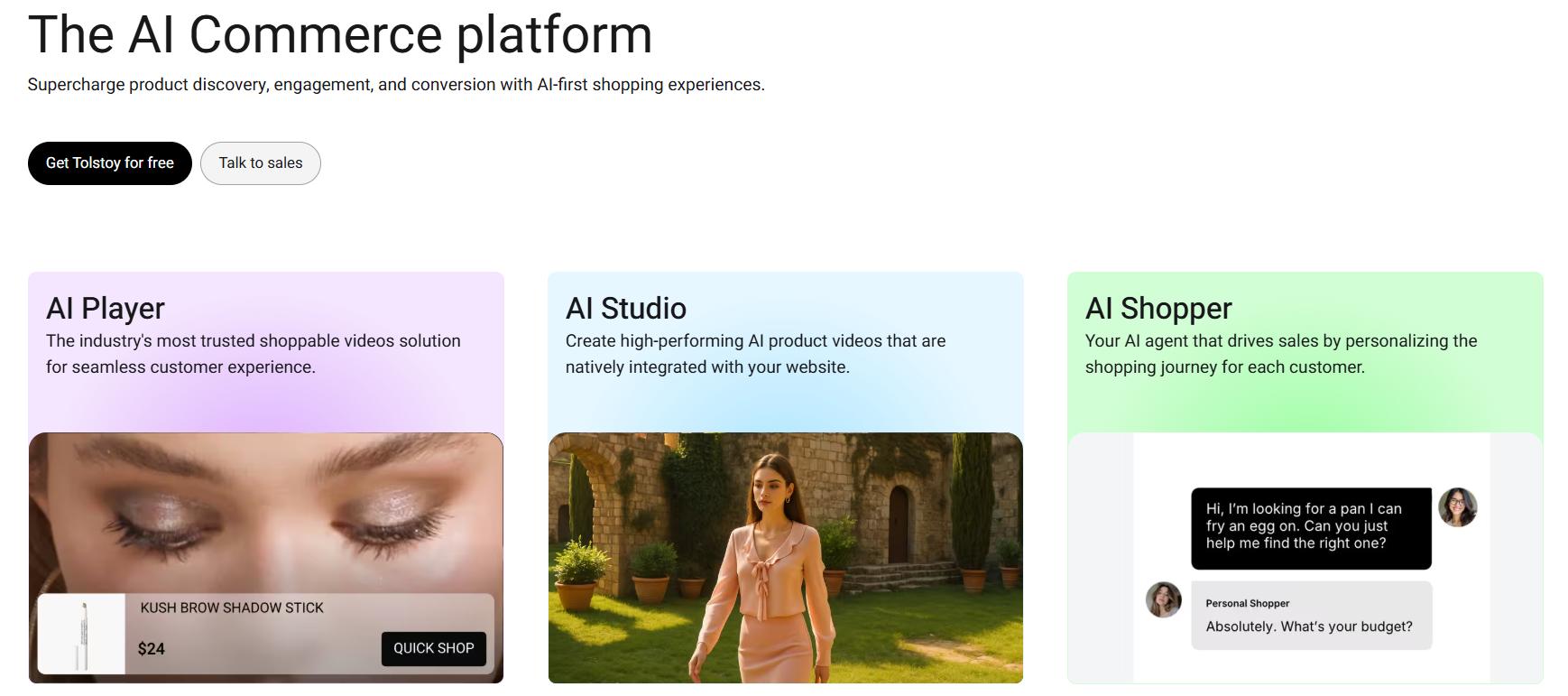
Tolstoy is an AI-first commerce platform for interactive storefront video, AI product content, and guided shopping. AI Player publishes shoppable video on supported storefront and channel placements, AI Studio creates catalog-scale image and video, and AI Sales Agent supports product discovery and visual try-on. See the current Tolstoy integrations for connection and publishing details.
2. Firework
Firework is a video commerce platform focused on omnichannel distribution and interactive short-form video experiences. It enables brands to embed shoppable video stories across digital touchpoints such as websites, email campaigns, and other commerce channels.
Firework supports video-driven shopping journeys that combine engagement with conversion, making it useful for brands that want to offer both video discovery and live streaming on the same platform. Its strength lies in helping teams deliver immersive video commerce experiences without rebuilding their existing e-commerce workflows.
3. Videowise
Videowise is an all-in-one video commerce platform known for automating UGC discovery and the bulk creation of shoppable video content. It helps brands build interactive video experiences across websites, mobile apps, and social media channels.
Videowise also supports live video events and broadcasting, allowing brands to sell through livestream-style formats while keeping the shopping experience integrated. The platform is especially relevant for teams that require advanced analytics and want deeper visibility into how video content performs across the funnel.
4. Quinn
Quinn is a lightweight video commerce tool designed to turn existing product videos into shoppable experiences. With clean playback and fast implementation, it allows brands to add clickable product cards, variant selections, and direct add-to-cart functionality inside the video.
Quinn is a strong option for DTC brands that want a simple and cost-effective way to bring shoppable video onto Shopify storefronts without heavy development work or complex production workflows.
5. Bambuser
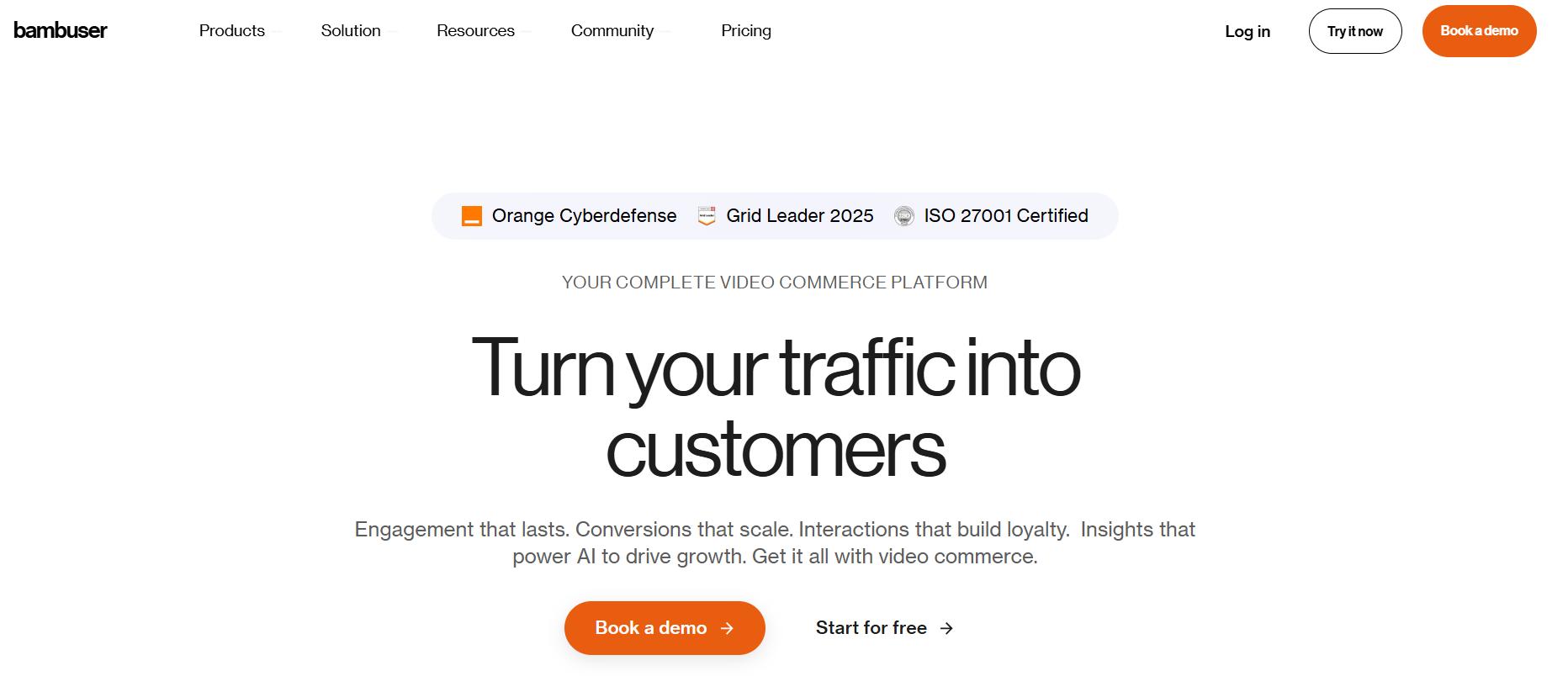
Bambuser is a video commerce platform best known for live shopping and interactive video retail experiences. It supports brands across industries that want to combine livestream-style engagement with real-time purchasing.
Bambuser enables teams to create shoppable video content, host live commerce sessions, and connect video experiences across multiple digital channels. It is especially useful for brands investing in live video as a core part of their e-commerce strategy.
6. Vimeo AI
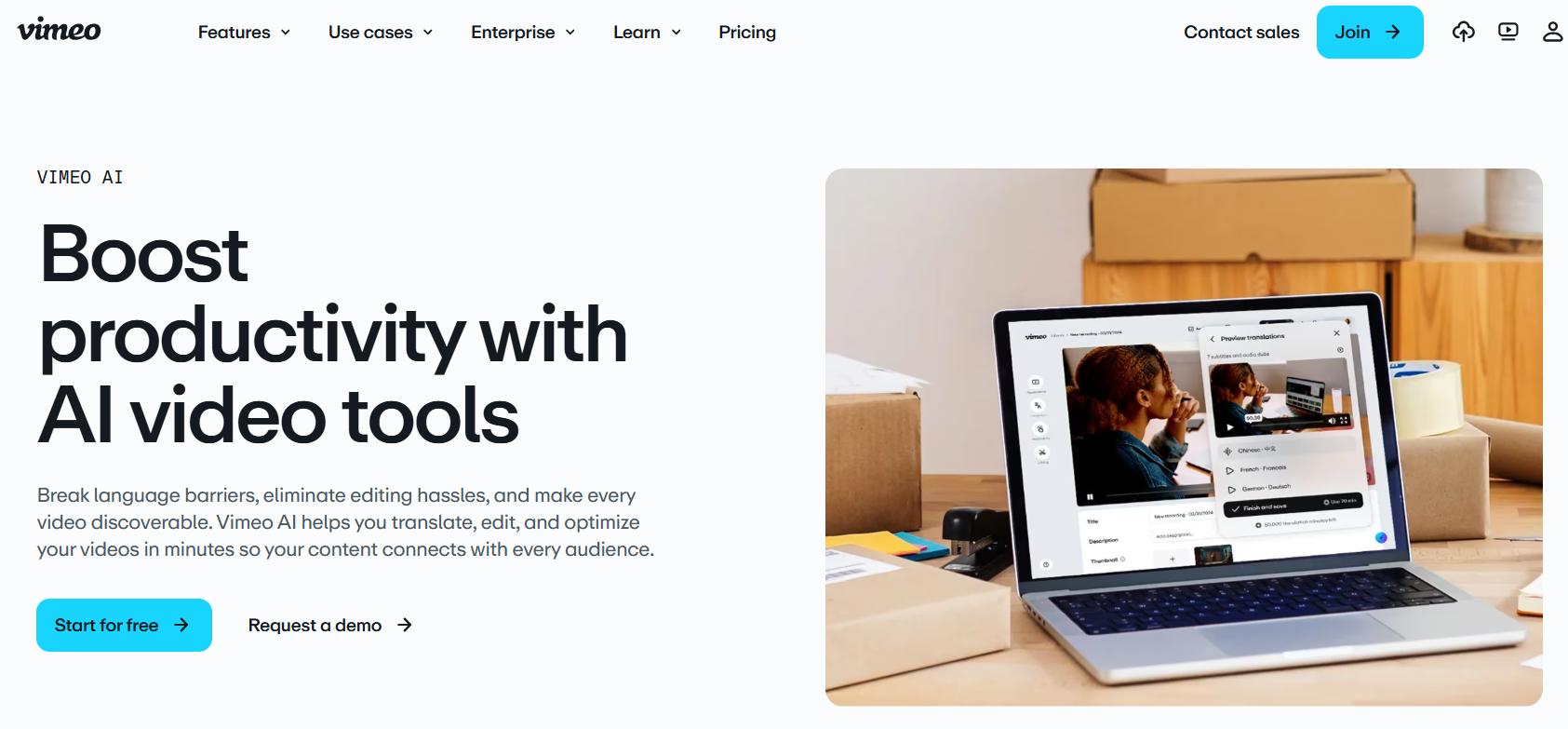
Vimeo AI is an AI-powered video toolkit focused on editing efficiency, translation, and content accessibility. It helps teams generate subtitles, translate videos into multiple languages, and create searchable transcripts that improve usability.
Vimeo AI also supports automatic summaries and highlight creation, making it valuable for brands producing educational, product, or support content that needs to scale globally with less manual editing effort.
7. Synthesia
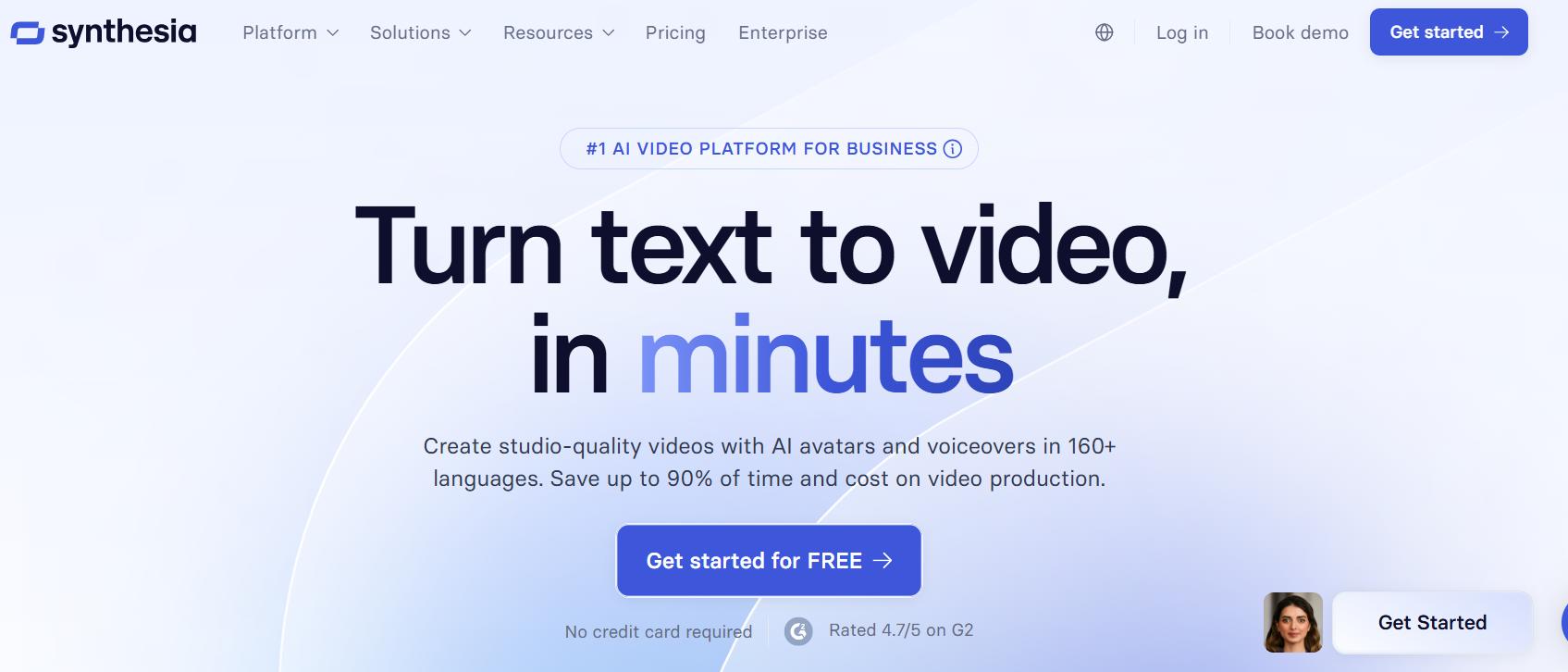
Synthesia enables businesses to create AI-generated videos using avatars and voiceovers in more than 160 languages. It is widely used for marketing, training, and product communication workflows that require fast turnaround without traditional filming.
Synthesia also allows teams to align videos with brand styling and convert scripts or documents into polished video formats, making it a practical solution for multilingual content production in e-commerce.
8. Runway
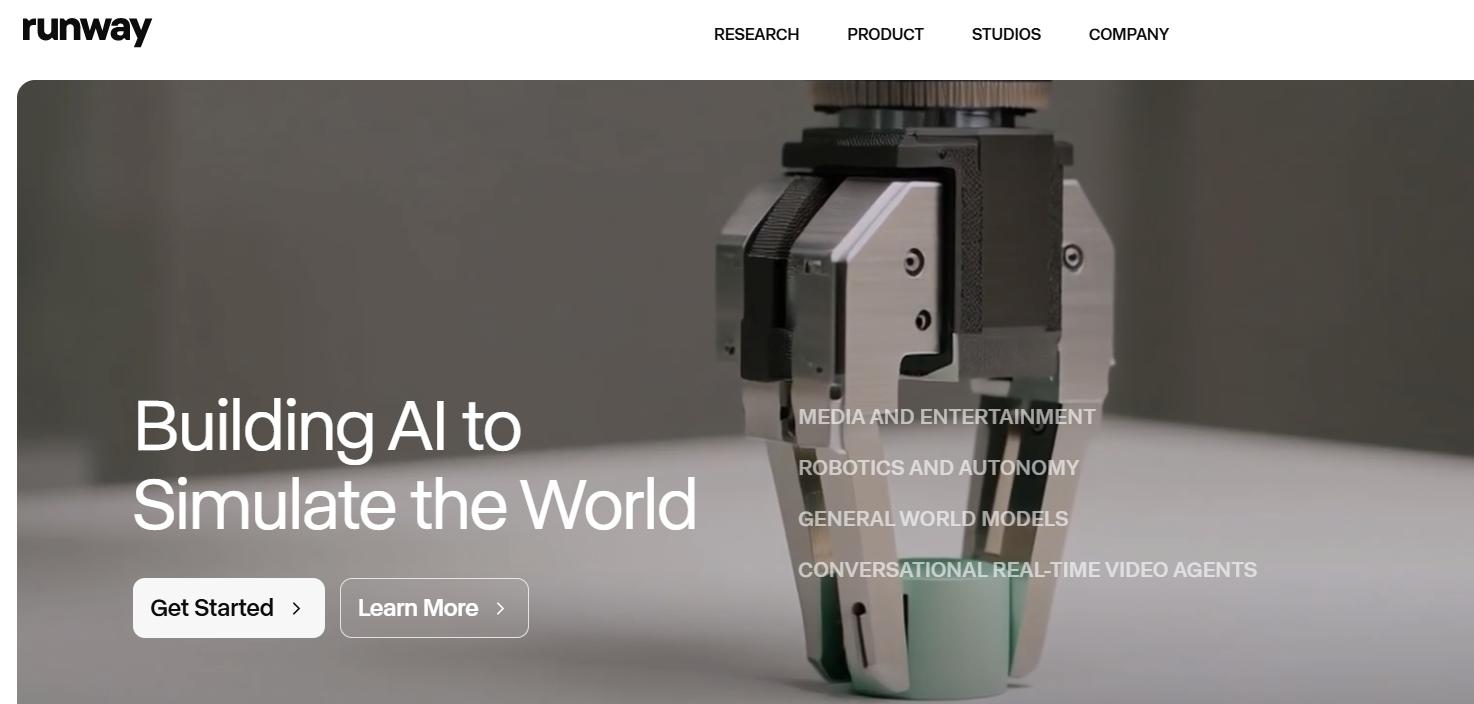
Runway is an advanced AI video generation and creative production platform designed for high-quality visual storytelling. Its Gen-4.5 model supports cinematic video creation with strong creative control.
While Runway is not built specifically for commerce enablement, it is useful for brands that want to produce highly stylized marketing videos, creative campaigns, or premium product visuals using generative AI.
9. VEED
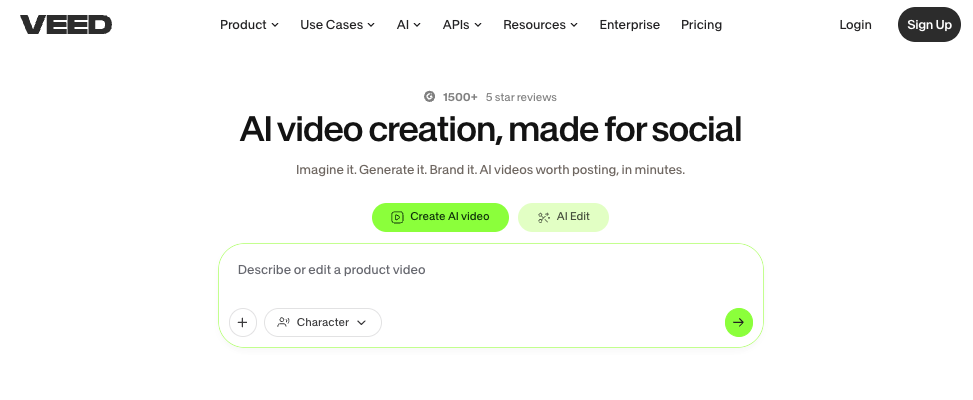
VEED is an AI-powered video creation and editing platform for marketing, e-commerce, and content teams that need to produce high-quality video content quickly. The platform combines traditional editing tools with AI-powered features such as AI video generation, AI avatars, automatic subtitles, voice cloning, screen recording, background noise removal, and multilingual dubbing.
For e-commerce brands, VEED can support product demos, social commerce videos, UGC-style ads, product explainers, customer testimonials, and short-form content for platforms such as TikTok, Instagram Reels, YouTube Shorts, and Shopify storefronts. Its AI tools help teams turn text prompts, product descriptions, or existing assets into marketing videos without requiring extensive production resources.
VEED is especially useful for brands that need a fast, all-in-one workflow for creating, editing, repurposing, and localizing video content across multiple channels while maintaining consistent branding.
AI Video Tools Comparison Overview
While these AI video tools overlap in some core capabilities, they are designed for different roles within the e-commerce video stack. Some focus on interactive shoppable experiences, while others specialize in editing, localization, avatar generation, or cinematic production.
The comparison below highlights how each tool differs in terms of AI functionality, commerce alignment, and ideal use case:
| Tool | AI Capabilities | Commerce Enablement | Best For |
|---|---|---|---|
| Tolstoy | AI video and image generation, AI sales chat, virtual try-on | Shoppable video widgets with Shopify, and multi-channel distribution | Interactive e-commerce video commerce at scale |
| Firework | Short-form video stories, omnichannel embedding | Shoppable experiences across digital channels | Brands combining video and live commerce |
| Videowise | UGC discovery, shoppable video creation, analytics | Social commerce and livestream shopping workflows | Teams needing advanced performance insights |
| Quinn | Shoppable overlays and add-to-cart widgets | Shopify-friendly video commerce | Simple, cost-effective shoppable video |
| Bambuser | Live shopping and interactive video retail | Omnichannel live commerce experiences | Brands investing in livestream selling |
| Vimeo AI | Translation, summaries, transcripts | Indirect commerce support through content accessibility | Localization and video operations teams |
| Synthesia | AI avatars and multilingual video generation | Brand video creation, not commerce-native | Scalable global content production |
| Runway | Cinematic generative video creation | Creative asset generation | Premium marketing and creative storytelling |
| VEED | AI video generation, avatars, subtitles, voice cloning, dubbing, and editing | Content production for product demos, social commerce, ads, and storefront videos | Fast all-in-one video creation, editing, repurposing, and localization |
Key Features to Look for in AI Video Tools
AI video tools now play a central role in helping e-commerce teams scale content production, improve onsite engagement, and reduce manual effort across marketing and merchandising workflows. The best platforms go beyond basic video editing by supporting interactive commerce experiences, personalization, and measurable conversion impact. Here are the key capabilities to prioritize when evaluating AI video tools for digital commerce:
1. AI Video and Image Generation at Scale
Modern brands need far more than a handful of product videos. Look for tools that can generate high-quality video variations, lifestyle visuals, and product imagery in bulk, especially for large catalogs and fast-moving campaigns.
Tolstoy’s AI Studio, for example, supports catalog-scale creative workflows that help teams produce more assets without relying on constant photoshoots or heavy production cycles, making it easier to keep content fresh across ads, PDPs, and social placements.
2. Interactive Video Elements and Viewer Engagement
The strongest commerce video tools are built for action, not passive viewing. Interactive features such as clickable product hotspots, add-to-cart functionality, branching video paths, or shoppable overlays allow shoppers to explore products directly inside the video experience. This reduces friction between discovery and purchase and helps brands turn video into a conversion layer rather than just a branding asset.
3. Personalization Based on Shopper Behavior and Context
AI video tools are increasingly moving toward personalized shopping experiences. Platforms that adapt content based on shopper intent, browsing behavior, or product preferences can drive stronger engagement and higher purchase confidence.
Tolstoy’s AI Sales Agent brings conversational guidance, virtual try-on experiences, and smart recommendations directly into the video journey, helping shoppers get answers, discover relevant products, and move toward checkout without leaving the experience.
4. Native E-Commerce and CMS Integrations
Even the best video content loses value if publishing is difficult. Prioritize tools with native integrations into platforms like Shopify, along with flexible deployment options across PDPs, landing pages, email, and other commerce touchpoints.
Shopify-native workflows, such as Tolstoy’s block-based integration, reduce operational friction and allow marketing teams to launch shoppable video experiences without relying heavily on developers.
5. Analytics for Engagement, Conversion, and Revenue Impact
Video performance should be measured in more than views. Strong platforms provide detailed analytics that connect engagement to business outcomes, including product clicks, drop-off points, add-to-cart activity, and revenue impact.
The most useful tools track conversion signals across every level of the experience, from video to widget, page, and product, giving teams actionable insight into what drives results.
6. No-Code Creation and Deployment Workflows
To scale video commerce effectively, teams need speed and autonomy. No-code publishing, customization, and creative iteration allow marketers and merchandisers to update video experiences quickly without engineering support.
This makes it easier to test new formats, refresh content frequently, and deploy shoppable video across the storefront with minimal overhead.
How to Choose the Right AI Video Tool for Your Business
Start by identifying your goals and look for AI video tools that offer more than basic editing. The right platform should support scalable content creation, seamless e-commerce workflows, and advanced commerce experiences that drive measurable results.
| Factor | Explanation |
|---|---|
| Identify Your Primary Video Goals | Clarify whether your priority is brand awareness, onsite engagement, conversion lift, or a mix of all three. Your goals will determine whether you need creation-focused tools or commerce-focused platforms. |
| Assess AI Depth Beyond Basic Video Editing | Go beyond trimming and subtitles. Look for tools that support AI-driven commerce features like shoppable videos, automated creative generation, and interactive videos that allow customers to explore products directly. |
| Evaluate Native E-Commerce and Data Integrations | If you operate an e-commerce storefront, choose a tool that integrates cleanly with platforms like Shopify or WooCommerce, so video publishing, product tagging, and performance tracking stay connected to your workflow. |
| Prioritize Tools That Scale Across Pages and Catalogs | Strong video tools should support large catalogs and multi-page distribution, enabling brands to deploy video experiences across PDPs, landing pages, and campaigns without manual effort. |
| Balance Ease of Use With Advanced Customization | Select a platform that marketing teams can manage through no-code workflows, while still offering enough customization for branding, layouts, interactivity, and performance optimization. |
Why Tolstoy Stands Out Among AI Video Tools for Commerce
Tolstoy stands out by combining AI-powered creative generation with conversion-focused shoppable video execution, giving brands both the content engine and the commerce layer needed to scale video effectively.
- AI Studio enables brands to generate high-quality product photos and videos with AI, then publish them directly into Shopify workflows, supporting a continuous creative optimization loop.
- AI Player delivers highly customizable, interactive shoppable video feeds that feel native to social-first shoppers, while maintaining zero impact on site performance.
- AI Sales Agent adds AI sales chat, virtual try-on, and guided discovery directly inside the video experience, helping shoppers gain confidence and convert faster.
- Smart distribution ensures videos are automatically pushed to the right pages across millions of URLs and channels through intelligent tagging and auto-import workflows.
- Built-in analytics track engagement and conversion signals across every level, from video to page, widget, and product, helping teams refine strategy with real performance data.
Together, Tolstoy provides an end-to-end AI commerce platform for brands looking to operationalize shoppable video, scale creative output, and improve onsite conversion through more interactive shopping experiences.
For a guided comparison against your current content workflow, book a free AI Studio demo.
Conclusion
The AI video tools featured here address key needs across e-commerce teams, from faster creative production to interactive, conversion-driven shopping experiences. While many tools focus on generating or editing video assets, platforms like Tolstoy go further by embedding commerce directly into the video journey through shoppable feeds, AI-driven personalization, and Shopify-native deployment.
As video continues to shape how customers discover and buy products online, choosing the right AI video tool will be critical for brands looking to scale both content velocity and conversion impact in 2026.
Frequently asked questions
Where can I find affordable AI video generation tools for product listings?
Tolstoy AI Studio generates product videos straight from your catalog images and includes publishing to your store, making it cost-effective for listings at scale. Pictory and InVideo are budget options for generic clips. Compare per-video cost and whether distribution is included, since standalone generators add hidden workflow time.
What’s the fastest way to validate ROI from AI video tools without a full rollout?
You can validate ROI by running a controlled video test on high-intent pages rather than launching across your entire site. Select 3–5 PDPs with stable traffic and add video only to those pages. Measure lift in add-to-cart rate, time on page, and assisted conversions versus a control group. Use tools that surface product-level video analytics, not just views. Turn off underperforming videos quickly and double down on formats that drive clicks. Learn how shoppable video metrics tie directly to revenue .
How do advanced teams avoid content bloat when scaling AI video across large catalogs?
Advanced teams prevent bloat by tying every video variation to a specific merchandising or conversion goal. Define rules for when a product earns video (e.g., margin, traffic, or seasonality thresholds). Generate fewer core video templates and localize or personalize them instead of creating net-new formats. Automatically retire videos with low interaction after a defined testing window. Align video creation cadence with catalog changes, not arbitrary content calendars.
When does cinematic AI video (like Runway-style output) actually make sense for commerce?
Cinematic AI video makes sense when the goal is brand lift or campaign storytelling, not direct PDP conversion. Use cinematic videos for launches, hero campaigns, or paid social where emotion drives interest. Pair high-production assets with simpler shoppable videos closer to checkout. Avoid using cinematic formats on PDPs if they obscure product details or buying actions. Measure assisted conversions rather than last-click attribution for these assets. Discover 5 effective interactive marketing strategies .
How can Tolstoy’s AI Studio replace traditional product video production workflows?
Tolstoy’s AI Studio replaces traditional workflows by generating product images and videos directly from prompts and catalog data, then publishing them into commerce placements. Upload or connect your product catalog and define visual styles or use cases (lifestyle, demo, UGC-style). Generate multiple image and video variations without scheduling shoots or creators. Push approved assets directly into shoppable feeds and PDP placements. Continuously refresh visuals as products, seasons, or campaigns change. Explore Tolstoy’s AI Studio .
How does Tolstoy’s AI Sales Agent change how video converts compared to standard shoppable video?
Tolstoy’s AI Sales Agent converts video traffic by actively guiding shoppers instead of relying on passive clicks. Embed AI Sales Agent inside video feeds so shoppers can ask questions mid-view. Use virtual try-on and sizing guidance to remove common purchase blockers. Capture unanswered questions to identify gaps in PDP content. Feed shopper intent data back into video and product optimization. Learn more about Tolstoy’s AI Sales Agent .
Create with Tolstoy
Put these ideas into practice
Turn your product ideas into AI images, videos, and shopping experiences.