Test three ad angles for one product
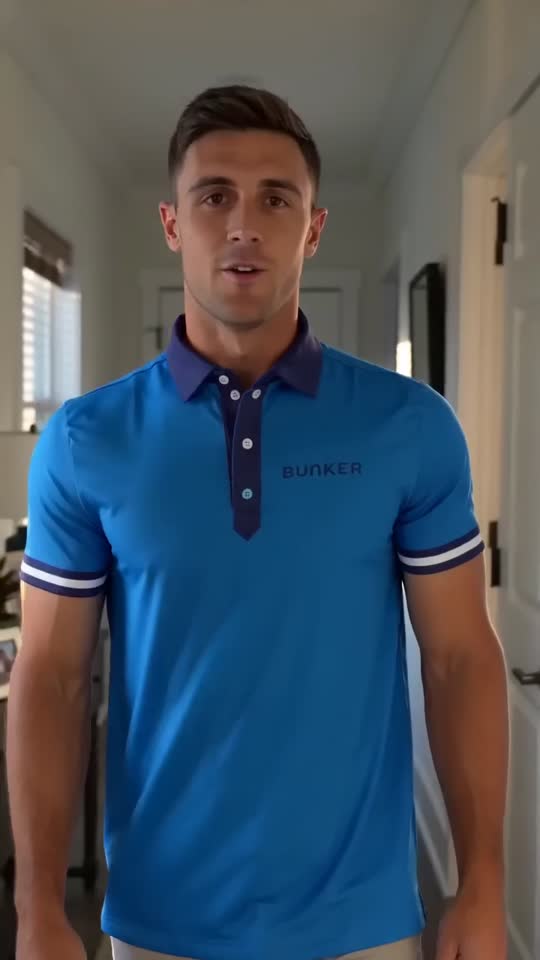
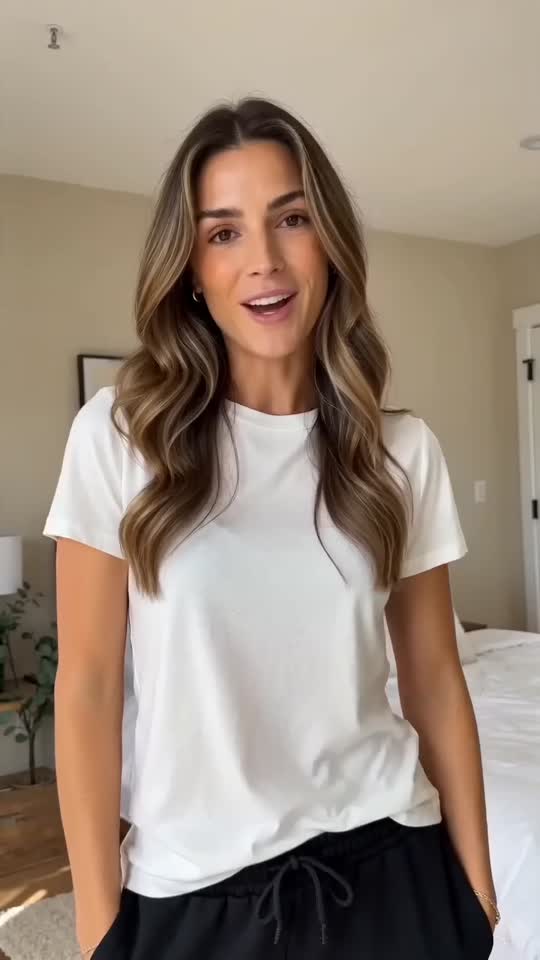
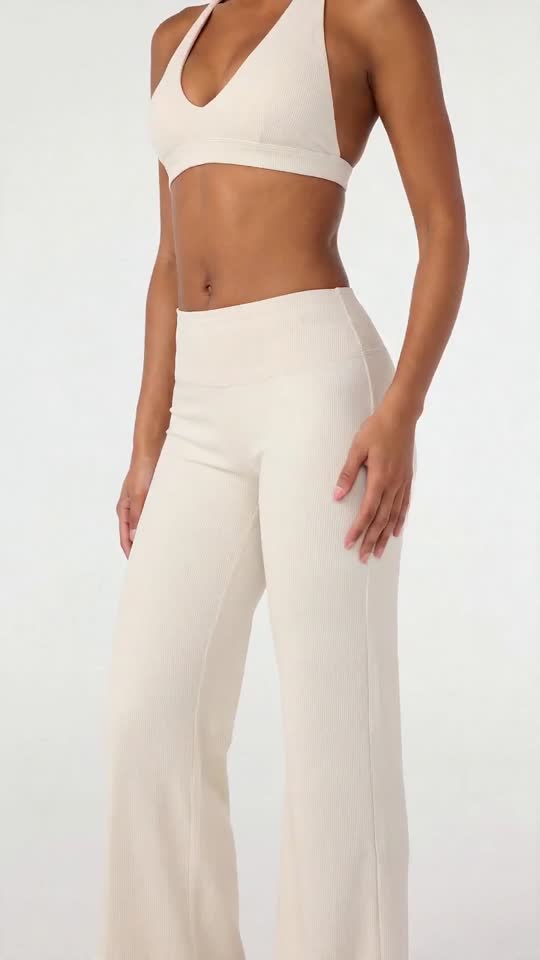
Tolstoy makes three 4:5 ad concepts for one product, each with a hook and an image, and changes only the angle, so your test shows which message sells.
What you need
- One product from your connected catalog, with at least one clear image
- The offer you run today, if any, so all three concepts carry the same one
- Your saved brand context, so the look stays the same across concepts (optional)
What you get
- Three 4:5 ad images of the same product, one per angle
- A short hook for each concept
- One line per concept that names the angle it tests
How it runs
Tolstoy runs this playbook in 4 steps.
-
Pick one product
You select the product, and the agent reads its catalog facts and images and uses only what they support.
-
Hold the rest fixed
The product, offer and brand look stay the same in all three concepts, so a difference in results points to the angle.
-
Build three angles
One concept shows a practical use, one a visible product detail, and one a relevant shopper need, each with a short hook and one 4:5 image.
-
Name what each tests
The agent states the single difference each concept tests, so you can put it in the ad name and read the results later.
Check the result
- Put the three images side by side: the product, offer and look match, and only the message changes.
- Each concept makes a different point. If two of them say the same thing, you have two tests, not three.
- No "best seller", review or endorsement claim appears unless your catalog or the material you attached supports it.
Know the limits
- One product per run, with three angles. For another product, run it again.
- It does not upload or run the ads. You set up the test in Meta or another ad platform, with the same budget and audience for each concept.
When to use this playbook
Use it when one product sells but you do not know which message sells it, or when each new ad changes the offer, the model and the copy at the same time. Three controlled concepts give you a clean first test. For how angle tests fit into a wider testing plan, read our Meta ads strategy for ecommerce brands.
Get better results
- Pick a product with at least two good images. The visible-detail angle needs a detail that an image can actually show.
- Tell the agent who the shopper is in one line, for example “first-time runners” or “gift buyers”. The shopper-need angle is only as specific as that line.
- Put the angle in each ad name, for example “Tote use” and “Tote detail”, so your performance reports show which angle won.
The prompt
“Run this playbook” opens Tolstoy with this prompt as a draft. Pick your products, edit anything, then send it.
Create three distinct 4:5 ad concepts for the product I select, using only verified facts from my catalog and the images and brand context I attach. If an essential input is missing, ask only for that input before generating. Keep the product, the offer and the brand direction the same in all three concepts. Vary only the angle: one shows a practical use, one shows a visible product detail, and one speaks to a relevant shopper need. Write a short hook and generate one image for each concept. Explain the single difference each concept is testing. Do not make claims about results or endorsements without evidence. Keep the real product shape, proportions, construction, print, color, logos and readable labels intact. Do not invent product features, claims or reviews.
FAQ
What is an ad angle?
An angle is the reason the ad gives a shopper to care. It can be how the product is used, a detail they can see, or a need it meets. The product and the offer can stay the same while the angle changes.
Why change only the angle?
If the offer, the visual style and the message all change at once, you cannot tell which change moved the result. Holding the product, offer and brand look fixed makes the angle the only variable.
Can I test different angles than these three?
Yes. The prompt opens as a draft you can edit. Replace the three angles with your own, such as a gift occasion or a common objection, and keep the line that varies only the angle so the test stays clean.
Run it on your own catalog
Start free, connect your store, and Tolstoy opens this playbook for you. You review every result before anything goes live.