Capture your brand style in one brief
Tolstoy turns your site, product images and creative examples into a short brief on palette, light, composition and voice, plus one prompt block you can reuse.
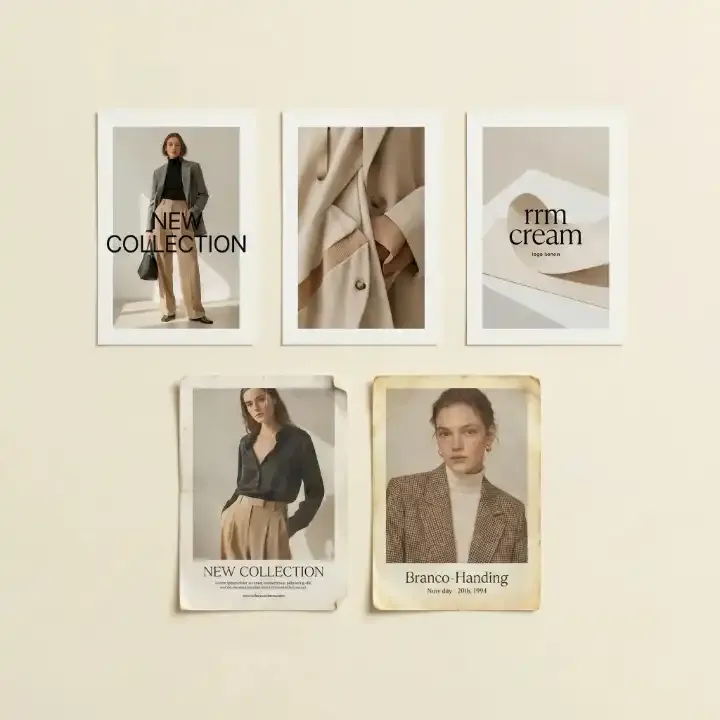
What you need
- Your saved brand context in Tolstoy, if any
- Your site address, or screenshots of key pages
- Creative examples you consider on-brand, such as product photos, ads or campaign images
What you get
- A short brief on palette, lighting, composition, voice, product fidelity and things to avoid
- Observed rules and suggestions, labeled separately
- One copyable prompt block
How it runs
Tolstoy runs this playbook in 4 steps.
-
Attach your references
You add your brand context, site references and on-brand examples, and the agent asks for any essential reference that is missing.
-
Describe what is there
The agent describes the palette, light, composition and voice it sees, in concrete terms such as background color and light direction.
-
Separate rules from suggestions
It lists the rules it observed in your material apart from its own suggestions, so you see which parts come from your brand.
-
Write the prompt block
The brief ends with one copyable prompt block for future image and video work.
Check the result
- Each observed rule points to something you can see in your examples, such as soft side light on every product shot.
- The "things to avoid" section names specific things you can spot in an image, not general warnings.
- Paste the prompt block into one new Studio prompt: the result matches the palette and light of your examples.
Know the limits
- It does not change your saved brand settings. Copy the parts you want into your brand context yourself.
- It describes only the material you attach. A look that is not in your examples, such as next season’s direction, is not in the brief.
When to use this playbook
Use it before a large batch of AI images or video, or when several people write prompts for the same brand and the results drift apart. It also gives an agency or freelancer a one-page description of your look, written from your real material instead of from memory. Before that content goes live, check it against an AI content compliance checklist for ecommerce.
Get better results
- Include one or two examples you do not like, and say so. The “things to avoid” section gets more precise with a counter-example.
- Use recent material. Old campaigns can describe a look you have since moved away from.
- Run it again after a rebrand or a new season’s shoot, and compare the new brief with the old one.
The prompt
“Run this playbook” opens Tolstoy with this prompt as a draft. Pick your products, edit anything, then send it.
Use the products, images and brand context already attached. If an essential input is missing, ask only for that input before generating. Treat catalog facts and supplied references as the source of truth. Review the brand context, site references and creative examples I supplied. Write a concise reusable brief covering palette, lighting, composition, voice, product fidelity and things to avoid. Separate directly observed rules from suggestions. Use concrete visual descriptions rather than generic luxury or premium language. Give me one copyable prompt block and name any essential missing reference. Do not change my saved brand settings. Keep the real product shape, proportions, construction, print, color, logos and readable labels intact. Do not invent product features, claims or reviews.
FAQ
What should a brand style guide for AI images include?
Concrete visual rules a model can follow: palette, light direction, composition, product fidelity and the things to avoid. Words like premium or luxury do not tell an image model what to make. A background color or a light direction does.
Why separate observed rules from suggestions?
An observed rule comes from your material, such as soft side light on every product shot. A suggestion is the agent’s idea. Keeping them apart stops a guess from becoming a brand rule.
What do I do with the prompt block?
Paste it into future Studio prompts, or add it to your brand context, so new images and videos follow the same palette, light and composition.
Run it on your own catalog
Start free, connect your store, and Tolstoy opens this playbook for you. You review every result before anything goes live.