Make UGC-style video ads with AI
Tolstoy writes creator-style scripts from your product facts, puts an AI person on camera, and delivers UGC-style video ads grouped by hook, ready to test.
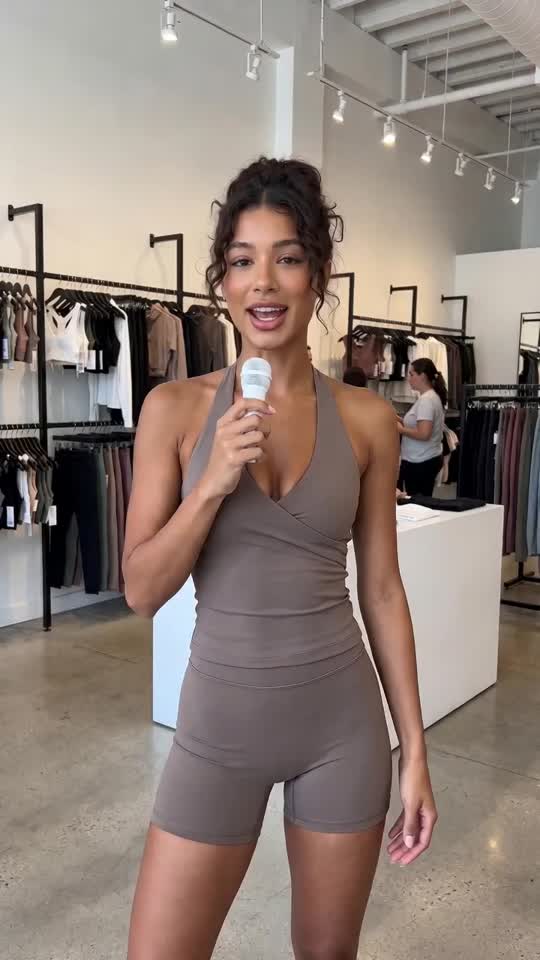 Activewear in-store creator ad video
 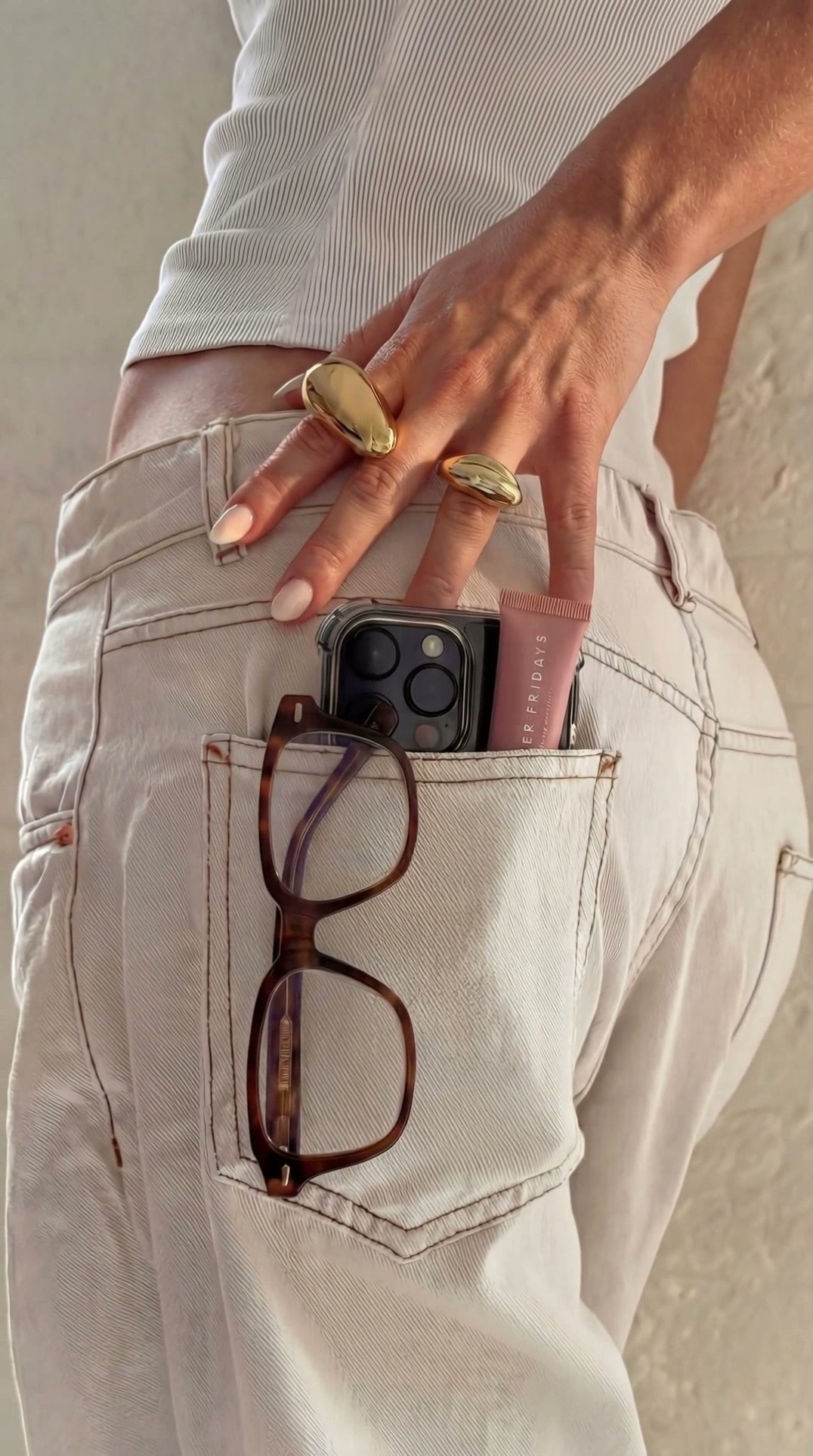 Jewelry styling close-up UGC video
 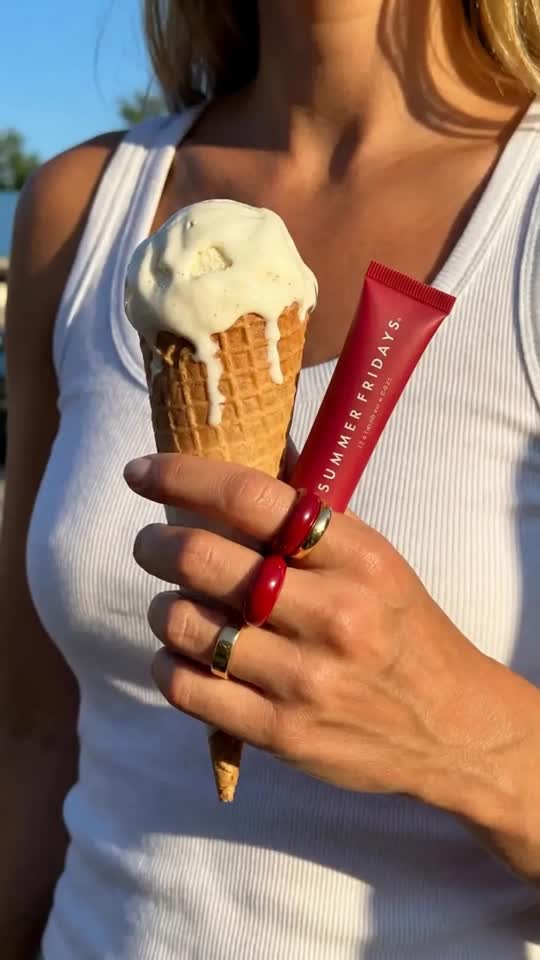 Lip balm ice cream UGC video
 What you need
- The product from your connected catalog
- The platform you will run on, such as TikTok, Reels or Meta ads
- Who buys the product, so the person on camera matches your buyer (optional)
What you get
- Three creator-style scripts with different hooks
- Rendered videos of at least 15 seconds, sized for your platform, with voice or music and captions
- A suggested A/B test between two of the videos
How it runs
Tolstoy runs this playbook in 5 steps.
-
Research the category
The agent reads your product and its reviews, and checks which ads run in your category in the public Meta and TikTok ad libraries.
-
Write creator-style scripts
Three scripts with different hooks sound like a person telling a friend about the product, and use only verified product facts.
-
Put a person on camera
Every video shows an AI-generated person holding, wearing or using the product in a lived-in room, shot to look like a phone video.
-
Add voice, music and captions
A person who speaks to camera gets a voice generated with the video, so the lips match, and other videos get music and captions.
-
Group by hook
The agent groups the finished videos by hook type and picks two to test against each other.
Check the result
- Watch with the sound on: the lips match the words, and the voice fits the person’s apparent age, gender and accent.
- Watch with the sound off: captions are short, readable on a phone, and clear of the top and bottom of the screen.
- The product looks like your product in every shot, and no line claims a result, review or discount you cannot prove.
Know the limits
- Nothing is uploaded to an ad account. You upload the videos you approve and set up the campaign.
- The people are AI-generated, not real customers. Follow each ad platform’s rules on AI content and disclosure.
When to use this playbook
Use it when you need more creator-style ads than real creators can supply, for example to test several hooks on a new product before you pay for a shoot. It also helps when a product has no video and you want to find the angle that gets attention. For the beat structure behind a strong ad, read how to structure UGC ads that stop the scroll.
Get better results
- Tell the agent who buys the product. The person on camera, the room and the voice should all match that buyer.
- Give one concrete detail per hook: how the product feels, smells or changes a routine. Specific details sound real, and general praise sounds like an ad.
- Read each script out loud before you approve it. If it sounds like a press release, ask for a rewrite.
The prompt
“Run this playbook” opens Tolstoy with this prompt as a draft. Pick your products, edit anything, then send it.
Make UGC-style video ads for my selected product. Research the product reviews and the ads in my category in the Meta and TikTok ad libraries. Write three scripts with different hooks that sound like a person talking to a friend. Every video shows a person holding, wearing or using the product in a lived-in space, looks phone-shot, and runs at least 15 seconds. If the person speaks to camera, generate the voice with the video so the lips match; otherwise use music and short captions inside the platform safe zones. Size the videos for my platform. If the product or platform is missing, ask only for that. Group the videos by hook and suggest two to test. Do not present the person as a real customer, invent testimonials, results or discounts, or publish anything. Keep the real product shape, proportions, construction, print, color, logos and readable labels intact. Do not invent product features, claims or reviews.
FAQ
What are UGC ads?
UGC ads are paid ads made to look like a real person filmed them on a phone: someone holding, wearing or using a product and talking about it as they would to a friend. This playbook makes that style with AI-generated people, so you can test hooks before you pay for a creator shoot.
Can the person speak in the video?
Yes. For a talking-head video, the voice is generated together with the video so the lips match. For a voiceover, the person’s mouth stays closed and a separate voice that fits their apparent age, gender and accent is added in the edit.
Why is every video at least 15 seconds?
Fifteen seconds leaves room for three beats: a hook, the experience with the product, and a reaction. Shorter clips usually fit only one beat, and TikTok, Reels and Shorts tend to treat them as filler.
Run it on your own catalog
Start free, connect your store, and Tolstoy opens this playbook for you. You review every result before anything goes live.