The best AI UGC ad generators for ecommerce in 2026 are Tolstoy (catalog-based creator-style ads that publish to Meta and your store), Creatify (URL-to-ad batches and ad cloning), Arcads (AI actors for UGC video and image ads), MakeUGC (a large AI-actor library with product-in-hand videos), HeyGen (multilingual avatar video) and Billo (real human creators, for when you need them). Which one fits depends on whether your ad needs an AI person talking or your actual product in a real scene.
Disclosure: Tolstoy makes this guide and is one of the tools listed. We describe competitors from their own public pages; prices were checked on November 1, 2026 and change often, so confirm on each vendor's site.
Quick comparison
| Tool | Best for | What makes the ad | Publishes to | Starting price (checked Nov 1, 2026) |
|---|---|---|---|---|
| Tolstoy | Ecommerce brands that want ads of their real product, plus onsite video | Generated creators and scenes from your catalog product photos; templates | Meta campaigns (Ads Studio), your storefront as shoppable video | $29/workspace/mo billed yearly (Media Studio + Ads Studio included) |
| Creatify | Fast batches of ad variations from a product URL | AI avatars, URL-to-video, "Ad Clone" from an existing ad | Export / ad platforms | $10/mo billed annually ($15 monthly), 55 credits |
| Arcads | Marketing teams testing many AI-actor ads | AI actors for UGC video and image ads | Export | Not published in a readable form; check arcads.ai |
| MakeUGC | A large AI-actor library and product-in-hand clips | 1,000+ AI actors (their figure), product-in-hand videos, image ads | Export, API | $29/mo billed yearly; "Start for $1" |
| HeyGen | Multilingual avatar and spokesperson video | Avatars, translation and dubbing | Export | Free plan; paid from $24/mo billed annually |
| Billo | Real human UGC | Real creators from a marketplace | Delivered video files | Per video; check billo.app |
1. Tolstoy
Best for: Shopify and DTC brands that want creator-style ads of their own product and want the same videos working on their store.
Tolstoy is an AI content and commerce platform. Its Media Studio generates UGC-style videos and photos from your synced catalog: fit checks, unboxings, morning routines, car selfies and testimonials-style talk to camera. It uses video models such as Seedance and Kling and image models such as Nano Banana Pro (see models). You can start from 300+ templates or from any example in the AI UGC gallery. Ads Studio then publishes approved ads to Meta campaigns and uses performance to shape the next test.
The difference from avatar tools: the product is the subject, rendered from your real product images, and the same asset can go on your product pages as shoppable video. Brands using Tolstoy video on product pages have reported results such as a 14% conversion-rate lift at Skin Rocks from UGC stories on PDPs. That is an onsite result, not an ad metric.
- Strengths: catalog-aware, product-accurate scenes; templates; Meta publishing; onsite shoppable video, try-on and an AI shopping assistant in the same plan.
- Watch-outs: not an avatar-first tool. If you need one presenter reading a script in 40 languages, an avatar tool is the better fit.
- Pricing: Plus $29, Pro $129, Max $299 per workspace per month, billed yearly; every paid plan includes Media Studio, Ads Studio and Storefront Studio. AI generation uses credits. Pricing.
2. Creatify
Best for: performance teams that want many ad variations fast from a product URL.
Creatify calls itself "The AI Ad Generator". It turns product links into AI image and video ads with avatars, and its Ad Clone feature remakes an existing ad from a URL. It also sells an API.
- Pricing (creatify.ai/pricing, Nov 1, 2026): Standard $10/mo billed annually or $15 monthly (55 credits); Pro $38 / $55 (280 credits); Max $66 / $95 (730 credits); a team tier at $136 / $195 (1,500 credits); API from $99/mo.
- Consider Tolstoy instead if you want ads of your real product from your catalog and want to reuse them on your storefront.
3. Arcads
Best for: teams that test many AI-actor UGC ads.
Arcads positions itself as a generative AI platform for marketing teams to "generate AI UGC videos and images". Its focus is AI actors delivering scripts in a UGC style, and it shows mobile app and DTC advertisers as users.
- Pricing: we could not read current plan prices on arcads.ai on November 1, 2026. Check their site.
- Consider Tolstoy instead if the product, not the presenter, is the star of the ad.
4. MakeUGC
Best for: a large AI-actor library and product-in-hand clips.
MakeUGC advertises more than 1,000 AI actors, product-in-hand videos, cinematic clips from third-party video models, image ads and an API, with templated ad flows.
- Pricing (makeugc.ai, Nov 1, 2026): $29, $39 and $79 per month billed yearly; a $1 starter offer.
- Compare: Tolstoy vs MakeUGC.
5. HeyGen
Best for: spokesperson-style avatar video and localization.
HeyGen is a general AI video platform built around avatars, including a personal avatar of your own face and voice, plus translation and dubbing in more than 175 languages. It also has ecommerce product-video and product-placement workflows.
- Pricing (heygen.com/pricing, Nov 1, 2026): Free; Creator $24/mo billed annually ($29 monthly); Pro from $49/mo; Business $149/mo plus $20 per seat; Enterprise on request.
- Compare: Tolstoy vs HeyGen.
6. Billo (real creators)
Best for: brands that need real people, for example real testimonials.
Billo is a creator marketplace. It reports more than 200,000 videos created and 22,000 brands served. You brief, creators film, and you receive the files. It's slower and costs more per video than AI, but the person is real, and that matters for reviews and testimonials.
- Pricing: priced per video; check billo.app for current rates.
How to choose an AI UGC ad generator
- Decide what the ad sells: the person or the product. Script-led ads with a presenter suit avatar tools (Arcads, MakeUGC, HeyGen, Creatify). Ads where the shopper needs to see the product fit, pour, glow or unbox suit product-based generation (Tolstoy).
- Test with your own product. Run the same product photo and brief through two tools. Check the logo, label, colour and shape. Product fidelity is where AI UGC most often fails.
- Count the whole workflow. Generating the ad is one step. Check whether the tool syncs your catalog, publishes to Meta, and lets you reuse the winning video on your product pages.
- Follow platform rules. Meta and TikTok label some AI-generated content. Never present an AI creator as a real customer. See our guide to structuring UGC ads.
How to make an AI UGC ad in Tolstoy
- Open a UGC ad template, or pick an example from the AI UGC gallery and select Recreate this with your product.
- Choose the product from your catalog or upload a product photo, and add your brand guidelines.
- Generate, then ask for 3–5 hook variations (different openings, settings or creators).
- Publish the winners to Meta with Ads Studio, and put the best performer on your product page as shoppable video.
For more finished ads, see AI video ad examples. For the wider tool landscape, see the best AI video ad generators for ecommerce and the best AI content creation tools for ecommerce.
Made with Tolstoy
AI UGC ads made with Tolstoy
Creator-style ads generated from a product photo and a short brief. Open one to see the prompt, then recreate it with your product.
-
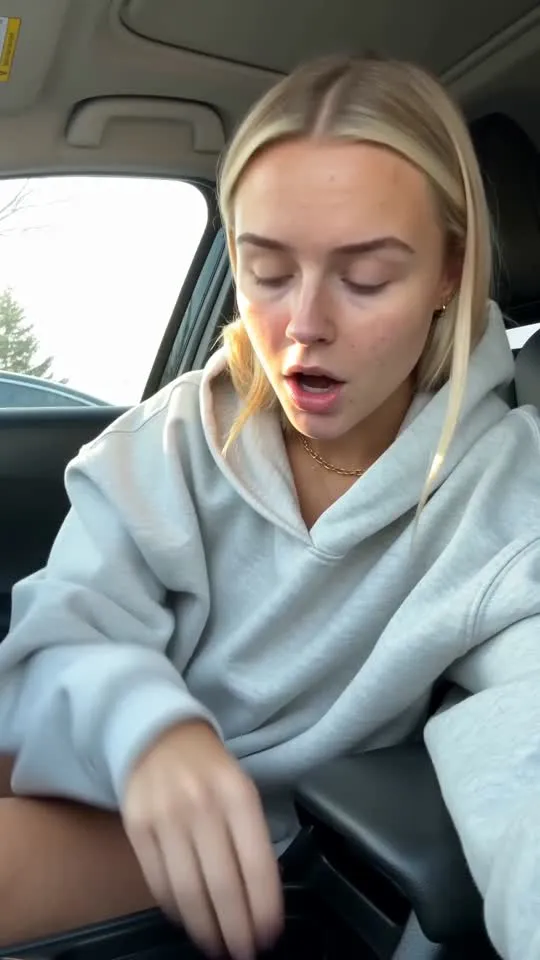 Car hoodie beauty UGC video
-
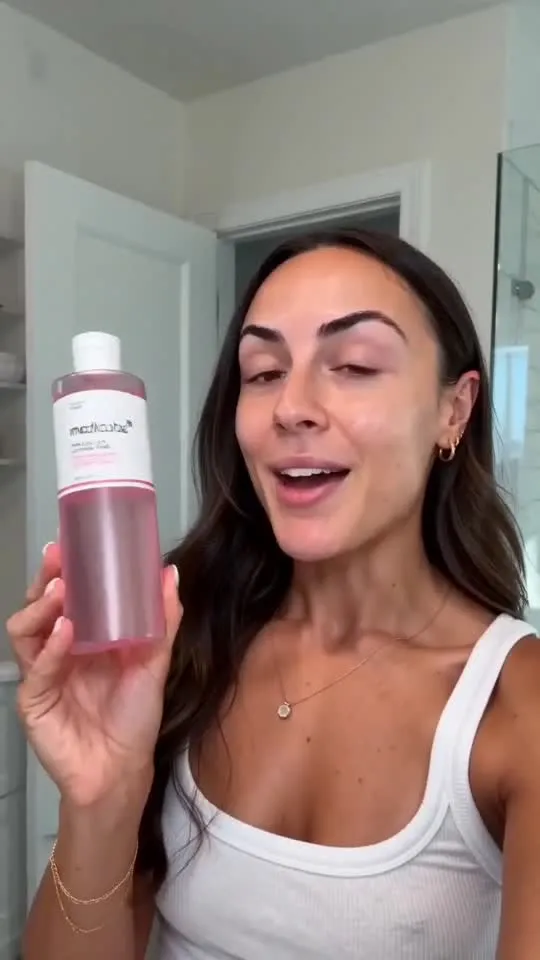 Pink serum testimonial ad video
-
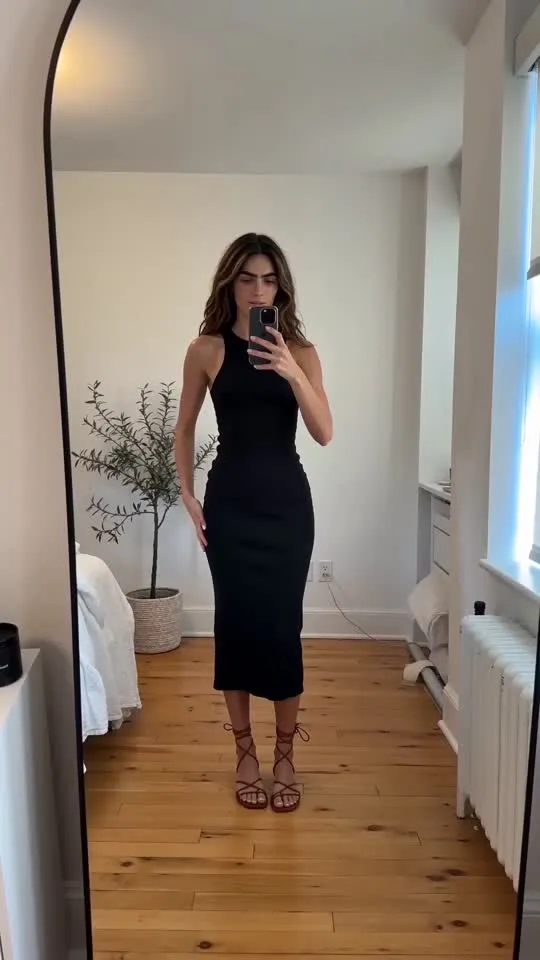 Black dress mirror try-on UGC video
-
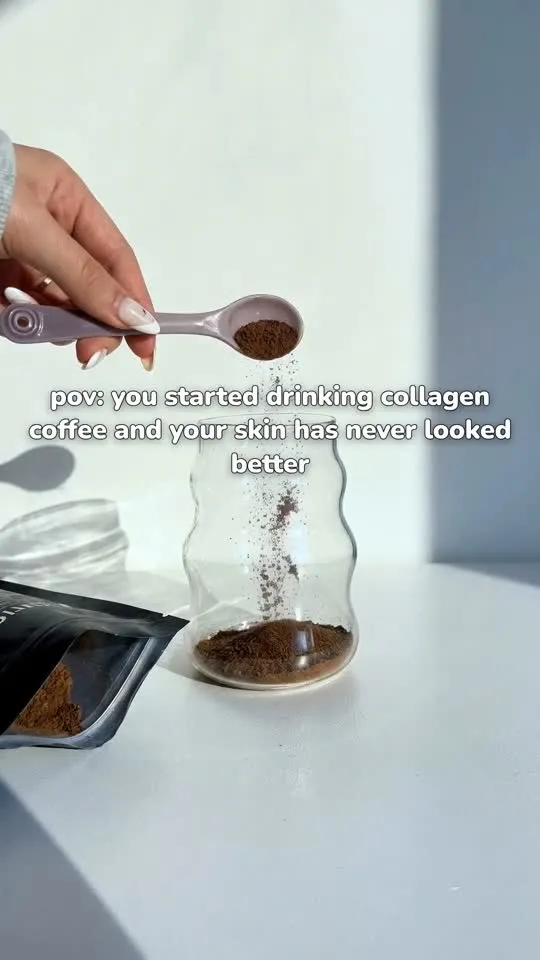 Collagen drink tutorial UGC video
-
 Gym activewear UGC video
-
 Duffel bag review ad video
Frequently asked questions
What is an AI UGC ad generator?
An AI UGC ad generator makes creator-style video ads, the kind that look like a customer filming on a phone, without hiring a creator. You give it a product, a script or a brief, and it generates the person, setting, voice and edit. Some tools use AI avatars reading a script; others, like Tolstoy, generate scenes of your actual product in use.
What is the best AI UGC ad generator for ecommerce brands?
For ecommerce brands that want ads built from their own catalog and published to both Meta and their store, Tolstoy is the strongest fit. For a large library of AI actors reading scripts, look at Arcads or MakeUGC. For URL-to-ad batches and cloning an existing ad format, look at Creatify. For multilingual avatar video, look at HeyGen. For real human creators, use a marketplace such as Billo.
Are AI UGC ads allowed on Meta and TikTok?
Yes, as ad creative, but both platforms label or restrict some realistic AI-generated content. Check their current AI disclosure rules before launch, keep every product claim true, and never present an AI creator as a real customer or a real review.
How much do AI UGC ad generators cost?
Prices checked on November 1, 2026: Creatify from $10 per month billed annually, MakeUGC from $29 per month billed yearly, HeyGen has a free plan and paid plans from $24 per month billed annually, and Tolstoy plans start at $29 per workspace per month billed yearly with Media Studio and Ads Studio included. Check Arcads' site for current pricing.
Can AI UGC replace real creators?
For testing hooks, formats and angles quickly, often yes. Brands use AI UGC to find a winning concept, then decide whether to scale it with AI variations or a real creator. Real customer content is still the right choice for reviews and testimonials, because those must come from real people.
How do I make an AI UGC ad for my Shopify product?
In Tolstoy, open a UGC-style template or an example from the AI UGC gallery, select Recreate this with your product, pick the product from your synced catalog, and generate. Make a few hook variations, then publish the winners to Meta through Ads Studio or to your product pages as shoppable video.
Create with Tolstoy
Put these ideas into practice
Turn your product ideas into AI images, videos, and shopping experiences.